The Genesis of the BMW 2002 Turbo
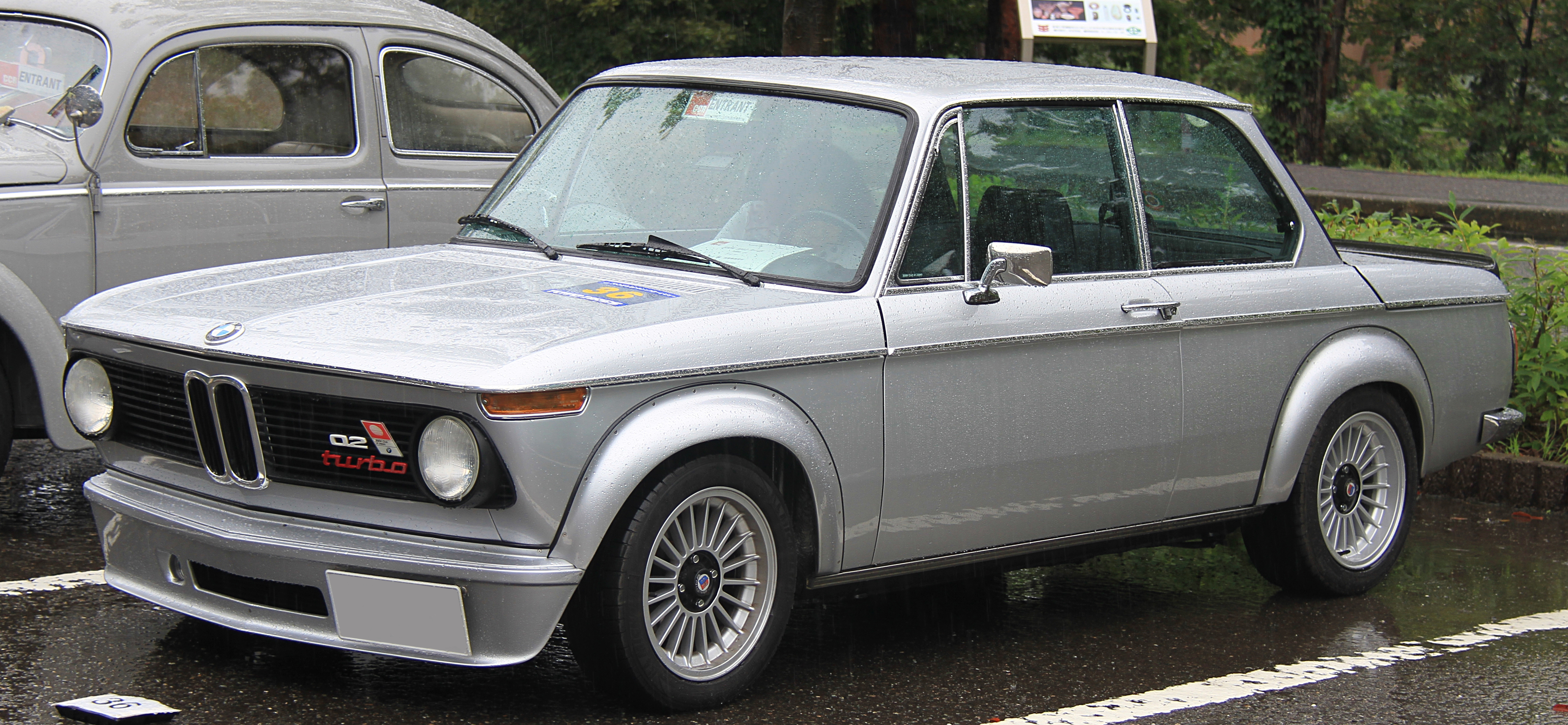
The BMW 2002 Turbo was born out of necessity and innovation. In the early 1970s, BMW was still carving out its identity as a maker of sporty, driver-focused cars. The 2002 Turbo was the first production turbocharged car from a European manufacturer, making its debut at the 1973 Frankfurt Motor Show. It was a bold move, especially amid an oil crisis that threatened to quench the thirst for performance cars. Yet, the 2002 Turbo was a statement: BMW was not just following the market trends; it was setting them.
Produced between 1973 and 1975, only 1,672 units of the 2002 Turbo were built. This limited production run was partly due to the economic climate and partly due to its niche appeal. Despite its rarity, the 2002 Turbo laid the groundwork for what we now consider the quintessential sports sedan. Its 2.0-liter four-cylinder engine, boosted by a KKK turbocharger, produced 170 horsepower and 177 lb-ft of torque. These numbers may seem modest today, but in the early 70s, they were nothing short of revolutionary for a compact sedan.
The car’s performance figures were impressive for its time. The 2002 Turbo could accelerate from 0 to 60 mph in just over 7 seconds and had a top speed of approximately 130 mph. It was not just about straight-line speed, though. The 2002 Turbo was lauded for its agile handling, thanks to its relatively light curb weight of 2,381 pounds and a well-tuned suspension setup. This combination of power and agility made it a formidable competitor on both the road and the track.
The introduction of the 2002 Turbo was a risky endeavor for BMW. The oil crisis of 1973 saw fuel prices skyrocket, and consumers were increasingly looking for fuel-efficient vehicles. The 2002 Turbo, with its performance-focused design, stood in stark contrast to this trend. Yet, its technological advancements and pure driving pleasure have made it a legendary part of BMW's history. Even today, the 2002 Turbo is revered by enthusiasts as the original hot sedan, a car that set the template for future M models.
Aesthetics and Engineering: The 2002 Turbo's Design Language

The BMW 2002 Turbo was not just a marvel in performance; its design was equally groundbreaking. The car's aesthetic was unapologetically aggressive, a visual representation of its performance capabilities. The front spoiler, adorned with the now iconic reversed "2002 TURBO" script, was designed to make overtaking intentions clear to the car ahead. This was not an ordinary sedan; this was a car that demanded attention.
The flared wheel arches of the 2002 Turbo were both functional and stylish. They accommodated wider tires, crucial for handling the increased power and providing ample grip. These design elements were not just for show; they were integral to the car’s performance ethos. The wider track and lower stance compared to the standard 2002 models improved both stability and cornering prowess.
Inside, the 2002 Turbo was a driver's delight. The cockpit was focused around the driver, with a large tachometer and speedometer dominating the dashboard. The seats were designed to provide support during spirited driving, a testament to the car's dual nature as both a road car and a track weapon. Despite its performance orientation, the interior was not stripped down; it retained an air of sophistication that BMW was beginning to be known for.
In terms of engineering, the 2002 Turbo was a showcase of BMW's capabilities. The use of a Kugelfischer mechanical fuel injection system was advanced for its time, providing precise fuel delivery that enhanced both performance and efficiency. The KKK turbocharger was integrated seamlessly, and while turbo lag was present, it was part of the car's character, delivering a surge of power that required skill to harness. This blend of aesthetics and engineering was a precursor to the M brand, embodying the spirit of 'driving machines.'
The Market Impact and Legacy of the BMW 2002 Turbo

In the context of the automotive market, the BMW 2002 Turbo was a catalyst for change. It was not just a car; it was a statement of intent from BMW, signaling a shift towards performance-oriented vehicles that could still be practical for everyday use. The 2002 Turbo was a precursor to the modern sports sedan, a niche that BMW continues to dominate today.
When it was launched, the 2002 Turbo was priced at around 17,000 Deutsche Marks, a considerable sum at the time, reflecting its advanced technology and performance capabilities. Today, the 2002 Turbo's value has soared, with well-preserved examples fetching between $100,000 and $150,000 at auction, a testament to its enduring appeal and historical significance. This appreciation in value is not just about rarity; it’s about what the car represents in the evolution of BMW and the automotive industry as a whole.
The 2002 Turbo’s influence extends beyond its own production run. It set the stage for the development of BMW's M division, which would go on to produce some of the most iconic performance cars in history. The philosophy of blending luxury, practicality, and performance in a compact package was honed with the 2002 Turbo and perfected in subsequent models like the E30 M3 and the legendary E39 M5.
Collectors and enthusiasts today view the 2002 Turbo as a seminal piece of automotive history. It represents a time when BMW took a bold step into the unknown, laying the foundation for its future success. The car's legacy is evident in every M-badged vehicle, a lineage that continues to define BMW's identity in the 21st century.
The Driving Experience: Why Enthusiasts Still Crave the 2002 Turbo
For those lucky enough to have experienced the BMW 2002 Turbo from behind the wheel, the appeal is immediate and visceral. This is not a car that cossets or coddles; it's a car that demands engagement and rewards skill. The driving experience is raw, unfiltered, and utterly captivating—qualities that have become increasingly rare in the age of electronic aids and turbocharged efficiency.
The 2002 Turbo's handling is precise and responsive, courtesy of its lightweight chassis and well-balanced suspension setup. The steering is communicative, offering a tactile connection to the road that modern cars often lack. The feedback through the wheel is immediate, allowing the driver to place the car with precision and confidence, whether carving through a series of bends or navigating tight city streets.
Acceleration in the 2002 Turbo is an experience in itself. The turbo lag is undeniable, but when the boost arrives, it does so with a surge that transforms the car’s personality. This characteristic requires the driver to be actively engaged, anticipating the power delivery and adjusting inputs accordingly. It's a dynamic that keeps the driver on their toes, making every journey an adventure.
Even in today’s market, where horsepower figures have reached stratospheric levels, the 2002 Turbo’s 170 horsepower feels adequate, even exhilarating. The car's relatively low weight and compact dimensions make it agile and nimble, traits that are often sacrificed in modern performance cars laden with technology. It's this purity of experience that continues to draw enthusiasts to the 2002 Turbo, a car that encapsulates the joy of driving in its most elemental form.
Collectibility and Investment Potential of the BMW 2002 Turbo
The BMW 2002 Turbo is not just a car for enthusiasts; it’s also a compelling investment opportunity. Its limited production run of just 1,672 units ensures rarity, a key factor in the classic car market. But beyond scarcity, the 2002 Turbo offers a unique blend of historical significance, engineering innovation, and driving pleasure, all of which contribute to its desirability among collectors.
Auction results over the past few years have consistently demonstrated the 2002 Turbo’s strong market performance. Prices for pristine examples have steadily risen, with the car now commanding between $100,000 and $150,000, depending on condition and provenance. This upward trend is reflective of the broader market’s increasing recognition of the 2002 Turbo as a foundational model in BMW’s storied history.
Investing in a 2002 Turbo is not just about potential financial return; it’s about owning a piece of automotive history. The car represents a pivotal moment for BMW, one that defined the brand’s direction for decades to come. As such, it appeals to a wide range of collectors, from those focused on German marques to enthusiasts of performance sedans and turbocharged technology.
The future looks bright for the 2002 Turbo’s investment potential. As modern cars become more homogenized and technology-driven, the appeal of raw, analogue machines like the 2002 Turbo is likely to increase. Collectors seeking cars that offer a visceral driving experience and significant historical value will continue to seek out the 2002 Turbo, ensuring its place as a cornerstone of automotive collections worldwide.
The 2002 Turbo's Cultural Impact and Modern Relevance
The cultural impact of the BMW 2002 Turbo extends far beyond its immediate market success. It was a harbinger of the turbocharged era, influencing not only BMW's future models but also inspiring competitors to explore forced induction technology. The 2002 Turbo's impact is particularly notable in the way it shaped the performance car landscape, pushing other manufacturers to innovate and keep pace with BMW's bold advancements.
In modern automotive culture, the 2002 Turbo is revered as a classic icon. It embodies the spirit of an era when driving was about the joy of the journey as much as the destination. where digital interfaces and autonomous tech are becoming the norm, the analogue charm of the 2002 Turbo offers a refreshing contrast. It stands as a reminder of a time when the connection between car and driver was paramount, a concept that resonates with enthusiasts seeking authenticity in their driving experiences.
The relevance of the 2002 Turbo today is also reflected in BMW's current lineup. The ethos of blending performance, practicality, and innovation that the 2002 Turbo pioneered is evident in models like the BMW M3 and M5. These cars continue to push the boundaries of what a sedan can achieve, both on the track and on the street, carrying forward the legacy of the 2002 Turbo.
As we look to the future, the BMW 2002 Turbo remains a touchstone for what makes a car truly special. Its combination of pioneering technology, timeless design, and thrilling driving dynamics ensure that it will continue to be celebrated by enthusiasts and collectors alike. In an ever-changing automotive landscape, the 2002 Turbo stands as a symbol of enduring passion, a car that matters as much today as it did over four decades ago.